

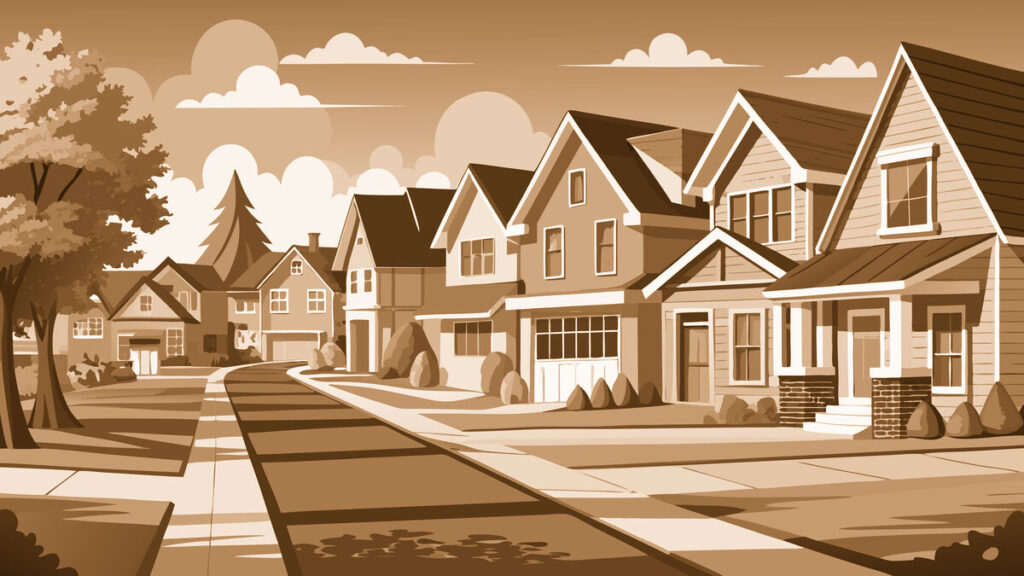
Nestled among the rolling hills and tree-canopied lanes on the western side of Wake Forest lies Kenwood Reserve—a neighborhood where history whispers beneath every oak and each sidewalk tells a chapter of a story generations in the making. To walk Kenwood Reserve’s streets—like Kenwood Drive, Reserve Lake Road, and Heritage Glen Lane—is to trace the roots of a vibrant community that has gracefully evolved with the times while holding tight to its charming, storied past.
The Origins of Kenwood Reserve
Kenwood Reserve’s beginnings date back to the late twentieth century, a period when Wake Forest was experiencing a revival amid North Carolina’s expansion. The area where Kenwood Reserve now lies was once patchwork farmland; traces of stone walls, timeworn fence posts, and family homesteads remind longtime residents of those early days.
The neighborhood draws its name from two inspirations:
- “Kenwood” is believed to derive from a founding family whose surname was Kenwood, land stewards who cared deeply for the area’s natural beauty and whose farmhouse foundation still sits near the present-day Reserve Lake.
- “Reserve” reflects both the preservation mindset of its planners and a defining feature—a remarkable stand of hardwood forest that developers committed to saving, weaving forest trails and greenways rather than clearing every tree.
Key Historical Milestones
From farmland to one of Wake Forest’s most sought-after addresses, Kenwood Reserve has seen its share of pivotal moments:
- 1986: Construction began on the first homes along Willow Mist Drive, focusing on timeless architecture and generous lots that would encourage families to put down roots.
- 1992: The neighborhood association formed, bringing residents together to steward communal spaces and organize seasonal gatherings—a tradition that continues on the first Saturday of every June.
- 1999: Kenwood Reserve Park opened as a joint venture between the neighborhood and the Town of Wake Forest, complete with walking trails around Reserve Lake and a restored tobacco barn that now serves as a popular picnic shelter.
- 2010s: Embracing modern needs, the neighborhood undertook a successful project to install LED lanterns and brick-paved crosswalks along Kenwood Drive, blending classic aesthetics with safety.
Notable Landmarks and Buildings
While Kenwood Reserve is predominately a residential haven, several landmarks and buildings stand out as anchors of local heritage:
- The Reserve Lake: Central to the community in both geography and spirit, Reserve Lake is bordered by ancient oak trees and serves as a gathering spot for fishing, birdwatching, and neighborhood festivals. Each fall, families launch homemade boats during the beloved “Mini Regatta.”
- The Historic Tobacco Barn: Located at the park’s edge on Willow Mist Drive, this restored barn, dating back to the 1920s, pays tribute to Wake Forest’s agricultural roots. Today, it hosts everything from yoga sessions to history talks delivered by town elders.
- Kenwood Reserve Park: Spanning nearly 15 acres, the park is home to not only playgrounds and picnic fields, but also a butterfly garden tended by local students from nearby Heritage Middle School.
Streets that Tell Stories
Wander the lanes of Kenwood Reserve and you’ll find stories embedded in street names and architecture:
- Reserve Lake Road curves along the original boundaries of the family farmland.
- Heritage Glen Lane honors the neighborhood’s commitment to preserving natural green corridors, with footpaths winding through woods frequented by deer and songbirds.
- Kenwood Drive is the backbone of the community—a pleasant, tree-lined thoroughfare where residents still wave from porches in the evenings.
Community and Institutions
Education and community have always been vital to Kenwood Reserve’s fabric. Many young residents attend local institutions steeped in Wake Forest history, such as Wake Forest Elementary and Heritage Middle School, both of which partner with the neighborhood for family events and nature days.
Churches like St. Matthew’s Chapel, located just beyond the northern entrance on Kenwood Drive, serve as spiritual and social anchors, and even host an annual holiday bazaar that draws visitors town-wide.
How Kenwood Reserve Has Evolved
Despite Wake Forest’s remarkable growth in recent decades, Kenwood Reserve has skillfully balanced embracing progress with honoring its heritage:
- New home designs must still adhere to architectural guidelines that echo the craftsman, colonial, and farmhouse traditions seen throughout the neighborhood’s earliest homes.
- Green space remains a top priority. Recent years have seen expansions to the central park and enhancements to the trail system designed to better connect with Wake Forest’s wider network, including access to the nearby Smith Creek Greenway.
- The community champions civic engagement, from running Little Free Libraries at intersections, to organizing cleanups at Reserve Lake, to supporting the “Kenwood Kids Scholarship Fund”—helping local students pursue higher education.
Why Kenwood Reserve Feels Like Home
What truly sets Kenwood Reserve apart is its enduring sense of place. Whether you’re a family whose roots run deep or a newcomer soaking in the neighborhood’s warm embrace, there’s a consistent thread weaving generations together—respect for the land, pride in the past, and hope for the future.
From the laughter drifting from Reserve Lake Park to the thoughtful preservation of an old barn or a sycamore-lined street, Kenwood Reserve’s heritage endures not as a relic, but as a living, breathing part of everyday life. It’s a neighborhood where every season brings a new reason to gather, and every corner shares a quiet reminder of what makes Wake Forest—and especially Kenwood Reserve—so wonderfully special.